
DE-DE▼

Dieses Produkt ist mit Geräten und Anwendungen der folgenden Marken kompatibel oder für sie geeignet; dient nur als Auswahlhilfe. Marken sind Eigentum ihrer jeweiligen Inhaber und bedeuten keine Partnerschaft oder Billigung.
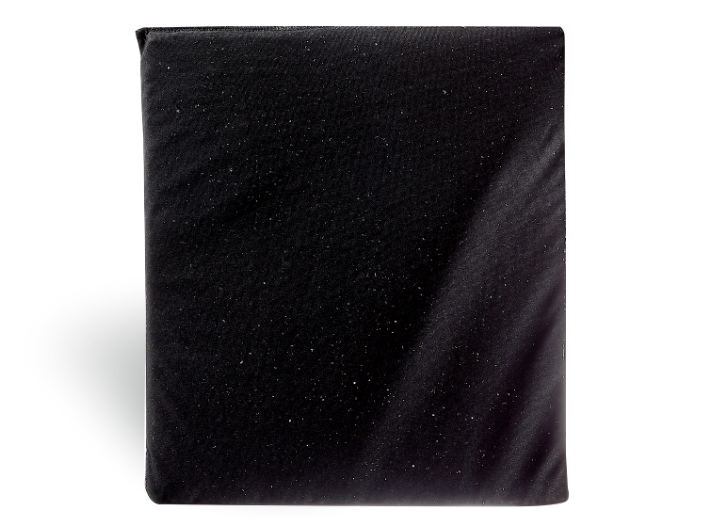
This is a washable activated carbon odor filter of the adhesive carbon type, made by bonding fine activated carbon to a polyurethane sponge base. It filters coarse particles such as hair and dust while adsorbing formaldehyde, benzene, ammonia and other odorous gases, and is designed for air purifiers, fresh air systems, automotive cabin filters, central air return grilles and industrial vacuum cleaners. Ranveth supplies it as a flexible OEM/ODM component for appliance makers and filter brands, with custom thickness, pore density and shape.
The performance of this filter comes from how two materials are paired: a polyurethane sponge base and a specially cured layer of fine activated carbon. The sponge gives the filter its low airflow resistance and flexibility, while the carbon provides the adsorption surface for gases and odors. Because the carbon is bonded to the sponge rather than loosely filled, the structure stays intact through repeated washing and cutting.
This pairing drives three things a buyer should evaluate together: efficiency, airflow resistance and service life. The open-cell sponge lets air pass with little pressure drop, so the filter can serve as a pre-filter without overloading the fan. The carbon loading determines how much formaldehyde, benzene and ammonia the filter can hold before replacement. The bonding method determines whether the carbon remains in place after washing, which directly affects how long the filter lasts.
In use, the filter works as a combined pre-filter and odor layer. It captures large particles before they reach finer downstream stages, and it adsorbs gases in the same pass. The sponge can be cut and stamped into complex shapes, which allows the filter to fit tight spaces in range hoods, integrated stoves, air purifiers and HVAC return grilles. Thickness, pore density (PPI) and outer dimensions are all part of the custom build, so the media pairing can be tuned to the airflow and life target of a specific device.
| Item | Detail |
|---|---|
| Product name | Washable Activated Carbon Sponge Filter |
| Core base material | Polyurethane sponge |
| Adsorbent material | Fine powdered or granular activated carbon, cured onto the sponge by a special process |
| Filtration function | Primary filtration of large particles (hair, dust) plus adsorption of formaldehyde (HCHO), benzene, ammonia and other harmful gases |
| Physical advantages | Repeatedly washable, very low airflow resistance, flexible and easy to cut, good air permeability |
| Typical end uses | Air purifier pre-filter layer, fresh air system pre-filter, automotive cabin filter, central air return grille, industrial vacuum cleaner |
| Customisation | OEM/ODM flexible customisation: thickness (e.g. 3 mm–50 mm), pore density (PPI) and outer dimensions, with stamping and forming service |
| Quality system | Produced in 20,000 m² of cleanrooms; company certified to ISO 9001, ISO 14001 and IATF 16949 |
The filter is used where a device needs both coarse particle capture and odor control in a thin, flexible layer. In range hoods and integrated stoves, it acts as a washable odor removal filter that can be cleaned instead of replaced every few weeks. In air purifiers, it serves as a pre-filter layer that protects the main filter and adds gas adsorption. In fresh air systems, it is used as a pre-filter to reduce dust and odors entering the ductwork.
Automotive cabin filters use the same construction to combine particle capture with odor adsorption in a compact space. Central air return grilles use it to reduce dust and stale odors in recirculated air, and industrial vacuum cleaners use it to control odors in the exhaust stream. Because the sponge can be cut and stamped, the filter fits curved, narrow or irregular housings that rigid filters cannot enter.
To quote a custom filter, we need the device or vehicle model, the required size or a drawing, the airflow or water flow the filter will see, the operating conditions (temperature, humidity, contaminant type), and the quantity you expect per order or per year. If you have a target pressure drop or replacement interval, include that as well. With these inputs we can recommend thickness, pore density and carbon loading, and confirm whether a standard tool or a new stamping tool is needed.
For OEM projects we can also discuss logo printing, labels and packaging. The more complete the input, the faster we can return a specification and sample plan.
Ranveth is backed by a manufacturer with more than 20 years of filter development and production experience and a plant of 50,000 m², including six cleanrooms totalling 20,000 m². Media choices for this filter are supported by our own CNAS-accredited laboratory, which can issue test reports on filtration efficiency, dust holding capacity and airflow resistance, so the carbon and sponge pairing can be verified before it goes into your device.
The company is certified to IATF 16949 (obtained in 2024) and to ISO 9001, ISO 14001 and ISO 45001, and products can be supplied with REACH and RoHS compliance documents. Quality control runs through IQC, IPQC and OQC, and multiple automated lines support monthly output in the millions of pieces. We have developed more than 1,000 filter solutions and have exported to Europe, the United States, Japan and Korea for over 20 years.
Tell us your device or vehicle model, the size or drawing, the airflow or water flow, the operating conditions and the quantity you need. We will confirm the suitable media pairing and send a quotation. To start the conversation, please contact our team.
It pairs a polyurethane sponge base with fine powdered or granular activated carbon that is cured onto the sponge by a special process. The sponge provides low airflow resistance and flexibility, while the carbon adsorbs formaldehyde, benzene, ammonia and other odorous gases. The same layer also captures large particles such as hair and dust.
The carbon loading sets how much gas the filter can hold, and the bonding method determines whether the carbon stays in place during washing. The sponge's open-cell structure keeps pressure drop low, so the filter can act as a pre-filter without overloading the fan. Together these choices balance efficiency, airflow resistance and usable life for a given device.
Yes. We support OEM/ODM custom builds with thickness from 3 mm to 50 mm, different pore densities (PPI) and custom outer dimensions, including stamped and formed shapes. Send a drawing or sample and we will confirm the tooling and construction that fits your housing.
Yes. We provide samples for evaluation and quote against your device model, size or drawing, airflow or water flow, operating conditions and quantity. Share these details through our contact page and we will respond with a specification and sample plan.
MOQ depends on whether the filter is a standard size or a custom build, and on the tooling required. Give us your annual or per-order quantity and we will confirm the MOQ for your project in the quotation.
Lead time is confirmed with the quotation and depends on tooling, material and order quantity. Our 50,000 m² plant and automated lines support volume production, and we will schedule your order once the specification and sample are approved.
The filter is designed to be washed and reused, so replacement depends on the contaminant load and operating conditions of your device. We recommend defining a washing interval during sampling and replacing the filter when odor breakthrough or visible loading persists after cleaning.
Our CNAS-accredited laboratory can test filtration efficiency, dust holding capacity and airflow resistance, and issue reports on the carbon and sponge pairing. These reports help verify that the selected media meets your device's requirements before production. Contact us to discuss the test plan for your project.